


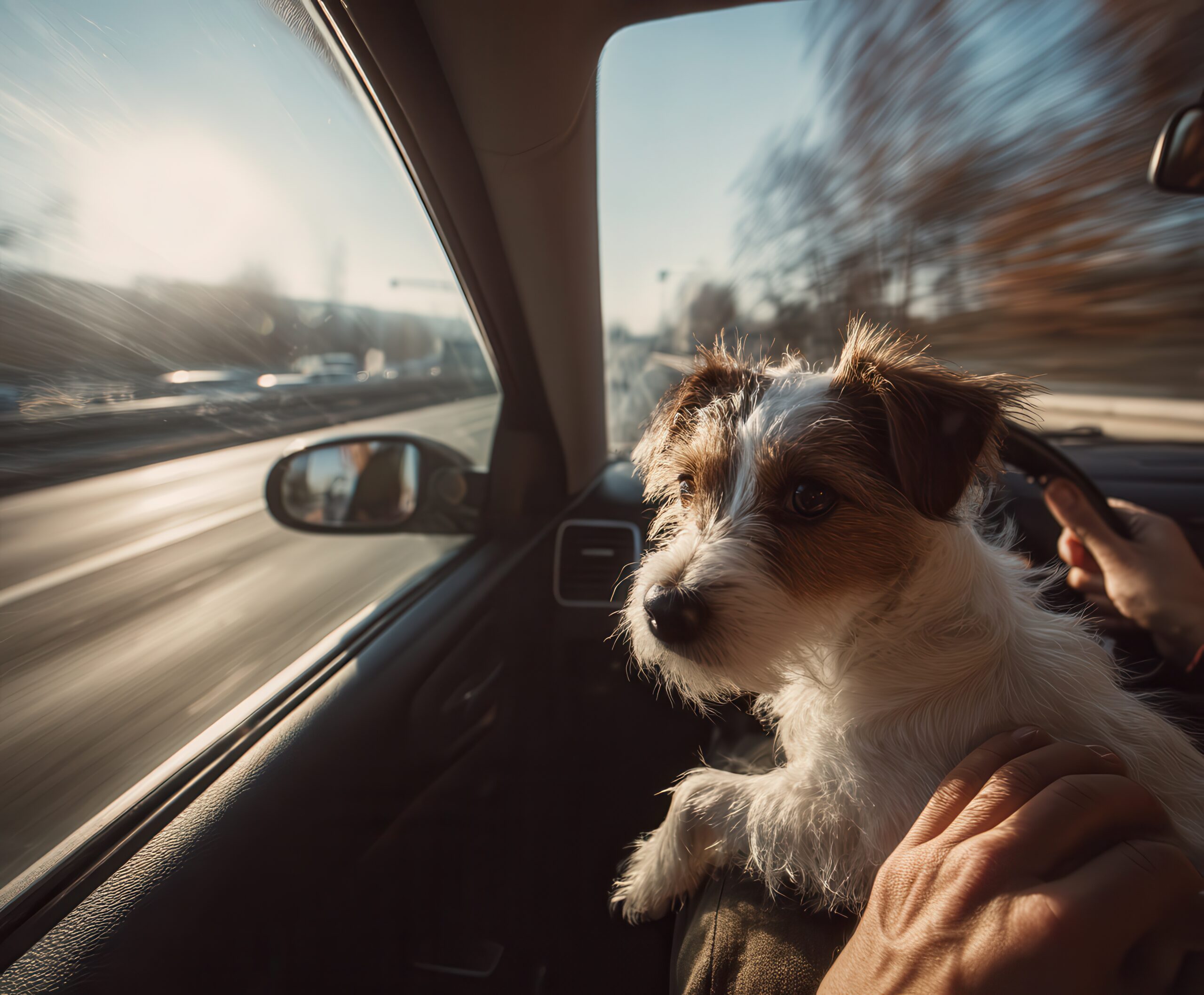
Car accidents are terrifying enough when people are involved, but when a pet is hit by a car or injured during a vehicle collision, the panic can feel overwhelming. One moment everything is normal, and the next you’re trying to figure out whether your dog or cat is okay, what symptoms matter most, and how fast you need to act. In these moments, knowing what to do—and what not to do—can make a critical difference.
Emergency care after a car accident isn’t just about visible injuries. Many of the most serious problems pets experience after trauma are internal and not immediately obvious. That’s why prompt veterinary evaluation is essential, even if your pet seems “fine” at first.
Why Car Accidents Are Especially Dangerous for Pets
Car accidents create blunt force trauma, which can affect multiple body systems at once. Unlike cuts or scrapes, trauma from an impact can cause internal bleeding, organ damage, fractures, or shock—sometimes without clear external signs.
Pets are also extremely good at hiding pain. A dog may wag their tail or walk short distances despite severe internal injuries. Cats, in particular, may retreat, become quiet, or resist handling rather than cry out. This instinct to mask pain often delays care, which is why post-accident evaluation is so important.
What to Do Immediately After a Pet Is Hit by a Car
Your first priority is safety—both yours and your pet’s. If your pet is in or near traffic, carefully move them to a safe location if it can be done without putting yourself at risk. Use a towel, blanket, or jacket as a makeshift stretcher if your pet is unable to walk.
Even if your pet seems alert, avoid unnecessary movement. Spinal injuries are a real concern after accidents, and improper handling can worsen damage. Speak calmly, keep your pet warm, and transport them to an emergency veterinary hospital as soon as possible.
It’s important not to give food, water, or medications unless directed by a veterinarian. These can complicate emergency treatment or anesthesia if surgery becomes necessary.
Common Injuries Seen After Car Accidents
Car accident injuries can vary widely depending on the speed of the vehicle, the size of the pet, and how they were struck. Some of the most common injuries emergency veterinarians see include fractures to the legs, pelvis, or ribs, which may or may not be immediately obvious.
Internal injuries are often the most dangerous. These can include internal bleeding, ruptured organs, lung bruising, or diaphragmatic hernias, where abdominal organs move into the chest cavity. Head trauma is also a serious concern and can lead to swelling, seizures, or changes in behavior.
Soft tissue injuries like bruising and muscle damage may seem minor but can still cause significant pain and inflammation that require medical care.
Signs Your Pet Needs Immediate Emergency Care
Any pet involved in a car accident should be evaluated by a veterinarian, but certain signs indicate a true emergency that cannot wait. Difficulty breathing, pale gums, collapse, or extreme weakness are all red flags. Bleeding that won’t stop, visible fractures, or an inability to stand also require immediate attention.
Other symptoms may be more subtle but just as serious. Vomiting, whining, hiding, limping, or sudden changes in behavior can all point to internal injuries. Even if symptoms don’t appear until hours later, they should never be ignored.
What Happens During an Emergency Vet Visit
When you arrive at an emergency veterinary hospital, your pet will be triaged to assess the severity of their condition. Pets with life-threatening injuries are stabilized first, which may include oxygen therapy, IV fluids, pain management, or treatment for shock.
Diagnostic tools play a major role in post-accident care. Digital X-rays are commonly used to identify fractures, internal bleeding, or lung injuries. In some cases, ultrasound or advanced imaging may be recommended to evaluate internal organs more closely.
Once the full extent of the injuries is understood, the veterinary team will discuss treatment options with you. This may involve surgery, hospitalization for monitoring, or a carefully managed recovery plan at home.
Why “They Seem Fine” Can Be Misleading
One of the most dangerous assumptions pet owners can make is believing that no visible injuries mean no serious problems. Internal bleeding, organ bruising, and swelling can take hours—or even days—to become noticeable. By the time symptoms appear, the situation may be far more critical.
Early evaluation allows veterinarians to detect hidden injuries before they worsen. Prompt treatment often leads to better outcomes, shorter recovery times, and lower overall risk to your pet’s life.
Recovery and Aftercare Following a Car Accident
Recovery doesn’t end when your pet leaves the emergency hospital. Aftercare is a crucial part of healing, especially for pets recovering from fractures, surgery, or internal injuries. This may include strict rest, medication schedules, follow-up imaging, and recheck exams.
Pain management is also essential. Pets in pain may refuse food, avoid movement, or behave differently than usual. Following your veterinarian’s instructions closely helps ensure a smoother, safer recovery.
How to Reduce the Risk of Future Accidents
While accidents can happen to even the most careful pet owners, prevention plays a big role in keeping pets safe. Keeping dogs on leashes near roads, securing pets in vehicles with proper restraints, and ensuring fences and gates are secure can significantly reduce risk.
Cats should remain indoors or have access to enclosed outdoor spaces. Many vehicle-related injuries occur simply because a pet had unsupervised access to traffic.
When Every Minute Matters
Car accidents are unpredictable, stressful, and often traumatic—but fast action can save lives. Knowing what to look for, how to respond, and where to go for emergency care gives your pet the best possible chance at recovery.
Get Immediate Help from BrightCare Veterinary Group in Mission Viejo, CA
If your pet has been involved in a car accident, don’t wait for symptoms to appear. The experienced emergency team at BrightCare Veterinary Group in Mission Viejo, CA is equipped to handle urgent, trauma-related injuries with advanced diagnostics, compassionate care, and around-the-clock support.
When seconds matter and your pet needs immediate attention, trust a dedicated emergency veterinary team that understands how critical fast, thorough care can be. Contact BrightCare Veterinary Group right away to ensure your pet gets the help they need—when they need it most.
